Back to Basics A Step-by-Step Guide to Launching Your Food Retail Business on Shopify

Starting a small food business on Shopify can feel overwhelming. There are many moving parts, from legal paperwork to setting up your online store. But breaking down the process into clear, manageable steps makes launching your retail business much easier. This guide walks you through the essentials, from buying a domain name to building your Shopify website. Follow these steps carefully to set a strong foundation for your business.
Buy a Domain Name
Your domain name is your online address. It should be easy to remember, reflect your brand, and be relevant to your small food business. Before you start building your Shopify store, secure your domain name through a reputable registrar like GoDaddy, Namecheap, or Google Domains.
Tips for choosing a domain name:
Keep it short and simple
Avoid numbers and hyphens
Use keywords related to your food products
Check availability on social media platforms for brand consistency
Buying your domain early helps you establish your brand identity and makes your website look professional.
Form an LLC with Your State
Forming a Limited Liability Company (LLC) protects your personal assets and gives your business credibility. Each state has its own process, but generally, you will:
Choose a unique business name
File Articles of Organization with your state’s business office
Pay the required filing fee
Designate a registered agent
Register any fictitious business names or “Doing Business As” (DBA) names if you plan to operate under a different name than your LLC. This step is crucial for legal compliance and helps you build trust with customers.
Obtain an EIN Number from the US Government
An Employer Identification Number (EIN) is like a Social Security number for your business. You need it to open a business bank account, file taxes, and hire employees.
You can apply for an EIN for free through the IRS website. The process is quick and usually completed online in one session.
Keep Track of Expenses Before Opening a Bank Account
Before you open your business bank account, start tracking all your expenses related to your small food business. This includes:
Domain registration fees
LLC formation costs
Software subscriptions
Ingredient purchases
Marketing expenses
Use a simple spreadsheet or accounting app to record these costs. When you open your bank account, you can enter these expenses into your books, which helps with tax deductions and financial management.
Open a Business Bank Account
Separating your personal and business finances is essential. A business bank account helps you manage cash flow, accept payments, and build business credit.
When choosing a bank, look for:
Low fees
Online banking features
Integration with accounting software like Wave Apps
Good customer service
Bring your LLC paperwork and EIN when you visit the bank.
Open a Wave Apps Account
Wave Apps is a free accounting software ideal for small food businesses. It helps you track income, expenses, and invoices in one place.
Once your bank account is set up, connect it to Wave Apps to automate transaction tracking. This saves time and reduces errors in your bookkeeping.
Get a Google Starter Subscription for Email
Professional email addresses build trust with customers. Google Workspace Starter plan offers custom email addresses using your domain name, such as info@yourbusiness.com.
This subscription also includes access to Google Drive, Docs, and Calendar, which help you stay organized.
Get Cottage Law Compliant
Cottage laws let you produce food out of your own home and sell it directly to consumers, provided you follow state guidelines. Research your state's cottage laws, or consider renting out a commecial kitchen if you do not qualify. Operating in a licensed commercial kitchen and using proper nutritional labels lets you ship your product to anywhere in the U.S.
Build a Website to Sell Your Product on Shopify
Shopify is a popular platform for retail businesses, especially small food businesses. It offers easy-to-use tools to build your online store, manage inventory, and process payments.
Steps to build your Shopify store:
Choose a Shopify plan that fits your budget and needs
Select a theme that matches your brand style
Add product listings with clear photos and descriptions
Set up payment gateways and shipping options
Register any fictitious names used on your website to avoid legal issues
Shopify also integrates with marketing tools and apps that help you grow your business.
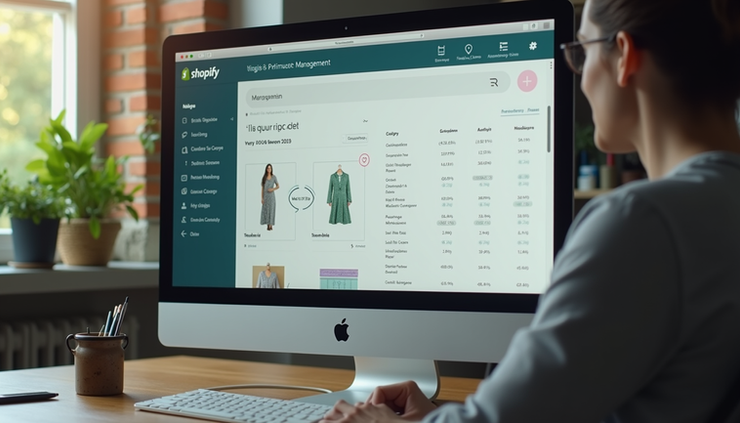
Launching a small food business on Shopify requires careful planning and organization. By following these steps—buying a domain, forming an LLC, obtaining an EIN, tracking expenses, opening bank and Wave Apps accounts, securing professional email, and building your Shopify store—you set your business up for success.
Start today by securing your domain and forming your LLC. Keep detailed records of your expenses from day one. These actions build a strong foundation for your retail business and make managing your finances easier as you grow.


Comments